
The Overlooked Driver of Blood Sugar, Weight, and Hormonal Health
Metabolic Health Series | Issue 07
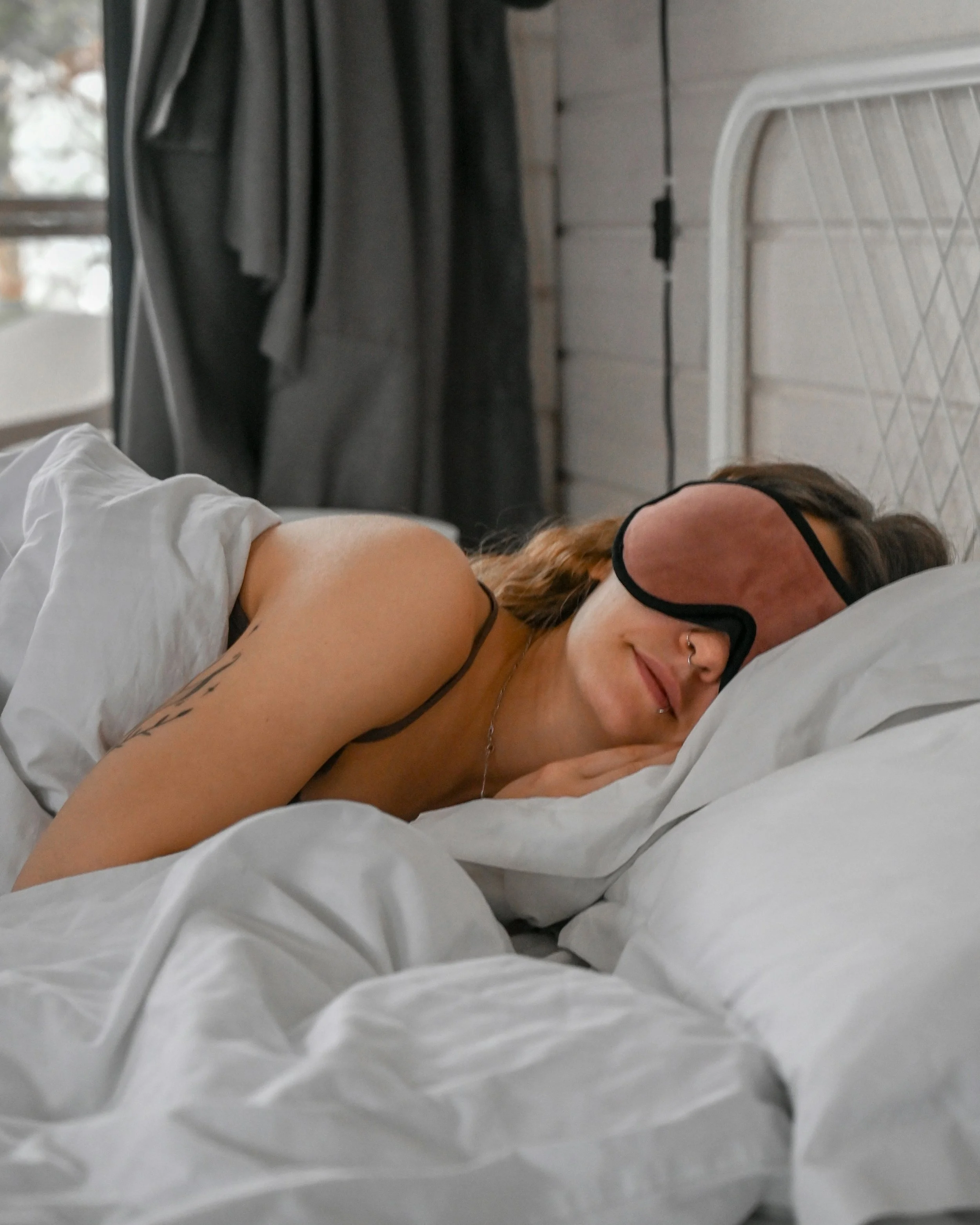
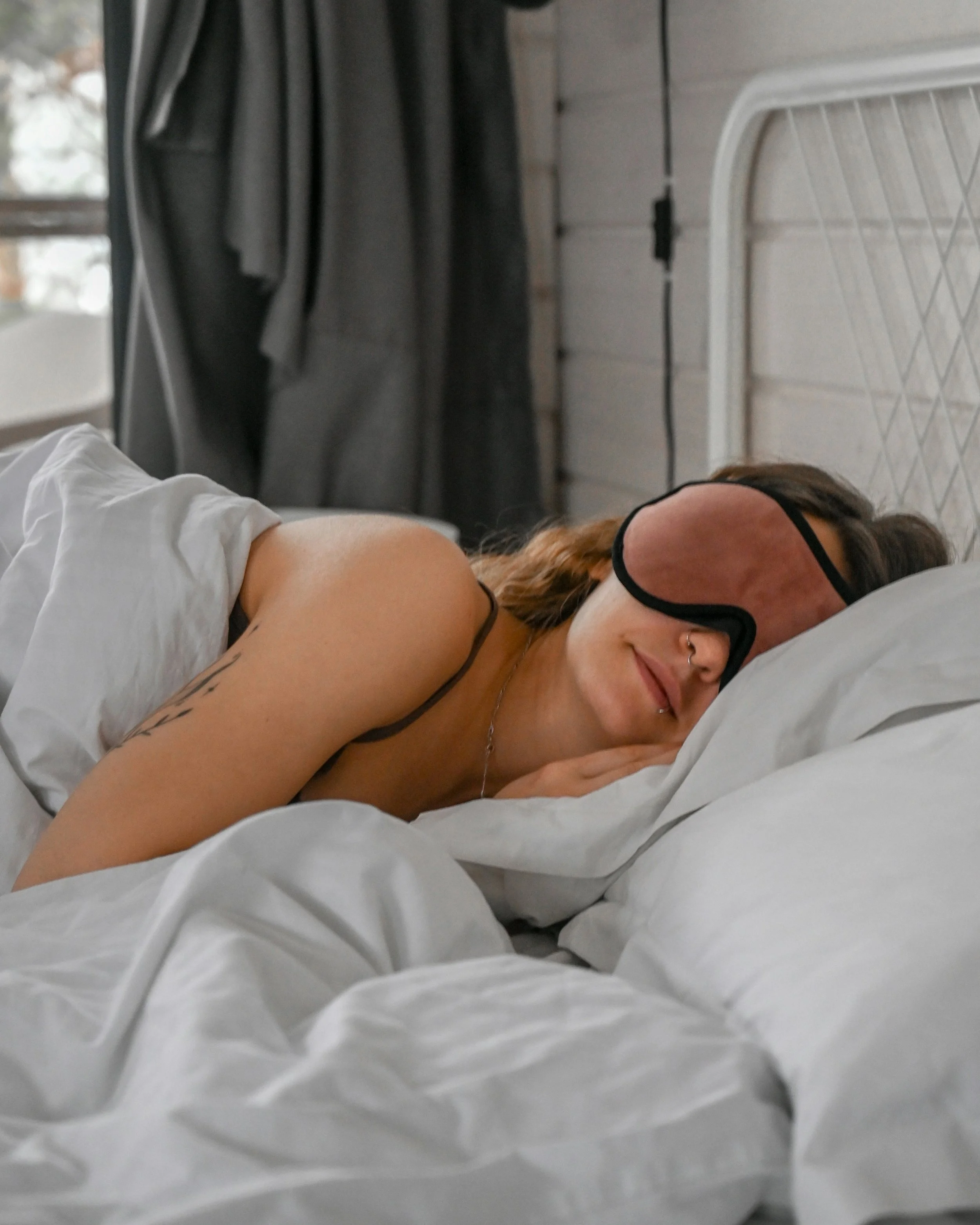
Of all the pillars of metabolic health, sleep is the one most routinely sacrificed — and the one whose consequences are most consistently underestimated. We have cultural permission (even encouragement!) to under-sleep. We've built a kind of pride around it. And yet the research is unambiguous: inadequate sleep is not a lifestyle inconvenience. It is a direct and measurable metabolic insult.
This issue is about what sleep deprivation actually does to your metabolic machinery — and why treating sleep as seriously as nutrition and exercise may be one of the most powerful interventions available to you.
What Happens in the Brain While You Sleep
To understand sleep as a metabolic intervention, we need to start with what the sleeping brain is actually doing — because it turns out it isn't resting at all.
Matthew Walker, neuroscientist and sleep researcher at UC Berkeley and author of Why We Sleep, has spent decades documenting the biological work that occurs during sleep. One of his most striking findings concerns deep sleep — specifically, the non-REM slow-wave stage — and its direct role in regulating insulin sensitivity.
Walker's team discovered that during deep sleep, two types of brain waves — sleep spindles and slow waves — fire in a precise synchronized sequence. This synchronization acts, in his words, "like a finger that flicks the first domino," triggering a cascade from the brain down through the autonomic nervous system that ultimately recalibrates the body's sensitivity to insulin the following day. The research was replicated in a cohort of more than 1,900 participants, strengthening the finding considerably.
In plain terms: the quality of your deep sleep tonight directly influences how well your cells respond to insulin tomorrow. A night of disrupted, shallow, or insufficient sleep doesn't just leave you tired — it leaves you metabolically compromised before breakfast.
The Insulin and Blood Sugar Cascade
When sleep is restricted, two things happen simultaneously in the pancreas and in the body's cells — and both are damaging.
The pancreatic beta cells, responsible for producing insulin, become less sensitive to rising blood glucose and release less insulin in response. Meanwhile, the body's tissues — muscle, liver, fat — become less responsive to the insulin that is released. Less insulin produced, less effect from what is produced: the result is blood sugar that rises higher and stays elevated longer after every meal.
Cells of the sleep-deprived appear in experiments to become less responsive to insulin, causing a prediabetic state of hyperglycemia. This isn't a long-term accumulation — it begins after just a few nights of insufficient sleep. A recent meta-analysis confirmed that sleeping less than six hours per night, compared to seven, may increase the risk of type 2 diabetes by approximately 30%.
That is a substantial risk shift from a modifiable behavior.
The Appetite Hormone Disruption
Sleep deprivation doesn't just impair how your body handles the food you eat. It changes what and how much you want to eat in the first place.
Two appetite hormones are particularly affected:
Ghrelin — the hunger hormone, produced primarily in the stomach — rises with sleep restriction, signaling the brain that the body needs food even when it doesn't. Research has found that sleep restriction increases ghrelin levels and is associated with an increase in total calories consumed from snacks — primarily from carbohydrates.
Leptin — produced by fat cells, it signals satiety and tells the brain the body has enough fuel — falls with sleep restriction. Reduced leptin and increased ghrelin levels correlate with increases in subjective hunger when individuals are sleep restricted rather than well rested.
The net effect: you wake up hungrier, reach for carbohydrates and high-calorie foods, feel less satisfied when you eat them, and consume meaningfully more calories than you would after a full night of sleep — without any conscious change in intention. People who sleep poorly tend to eat 200 to 300 calories more per sitting than those who sleep well, and have greater desire for calorie-rich foods overall.
This is not a willpower problem. It is a hormonal one — one that sleep deprivation creates and adequate sleep resolves.
Cortisol, Growth Hormone, and the Overnight Metabolic Reset
Beyond insulin and appetite hormones, sleep orchestrates two other hormonal events that are critical to metabolic health.
Cortisol follows a circadian rhythm, reaching its lowest point during the first half of the night before rising gradually toward morning to prepare the body for waking — this is normal and healthy. Sleep deprivation disrupts this pattern — cortisol remains elevated during hours when it should be low, driving the same visceral fat accumulation and insulin resistance cascade described in Issues 3 and 4.
Growth hormone is released in its largest pulse during deep slow-wave sleep — the same stage that Walker's research identified as critical for insulin regulation. Growth hormone promotes fat mobilization, muscle protein synthesis, and tissue repair. It is, in effect, the body's overnight metabolic restoration signal. Chronically disrupted deep sleep means chronically blunted growth hormone release — which compounds muscle loss and fat storage over time.
During slow-wave sleep, the anabolic growth hormone is released while the stress hormone cortisol is inhibited. These two events — growth hormone up, cortisol down — define the overnight metabolic reset that poor sleep prevents.
Sleep Apnea: Both Cause and Accelerant
Sleep apnea deserves special attention in a metabolic health context, because it occupies a uniquely problematic position: it is both a consequence of metabolic syndrome and a driver of it.
Obstructive sleep apnea affects 17% of the total population and 40–70% of those with obesity. The repeated episodes of nighttime oxygen deprivation that characterize OSA trigger a stress response with every apneic event — cortisol spikes, blood pressure surges, and insulin sensitivity declines. Metabolic syndrome and OSA represent a bidirectional, feedforward relationship driven primarily by visceral obesity and insulin resistance.
What this means practically: if you snore loudly, wake frequently, or feel unrefreshed despite adequate time in bed, it is worth being evaluated for sleep apnea. Treating it — even with CPAP alone — can produce meaningful improvements in blood sugar, blood pressure, and inflammatory markers. It is one of the most underutilized metabolic interventions available.
Circadian Alignment: When You Sleep Matters Too
The timing of sleep — not just its duration and quality — has measurable metabolic consequences.
Insufficient sleep and circadian misalignment — wakefulness and food intake occurring when the internal circadian system is promoting sleep — predispose individuals to poor metabolic health and promote weight gain.
This is why shift workers, frequent travelers crossing time zones, and people who habitually stay up late and sleep in have significantly elevated metabolic risk even when total sleep hours are adequate. The body's metabolic processes — insulin secretion, cortisol rhythm, glucose regulation — are all governed by the circadian clock. When sleep is misaligned with the light-dark cycle, these systems fall out of sync.
Practically, this means: sleeping at consistent times, ideally aligned with darkness, and avoiding late-night eating and bright light exposure in the hours before bed all support the circadian coherence that metabolic health depends on.
What Sleep Optimization Actually Looks Like
Sleep improvement doesn't require supplements or expensive gadgets. The most impactful changes are environmental and behavioral:
Light management. Light is the primary signal that sets the circadian clock. Morning sunlight exposure — ideally within 30 minutes of waking, ideally outdoors — anchors the circadian rhythm and improves sleep quality that night. Evening light exposure — particularly the blue-spectrum light from screens — suppresses melatonin and delays sleep onset. Dimming screens and lighting after 8–9pm is one of the highest-leverage sleep interventions available.
Temperature. The body needs to drop its core temperature by approximately 1–2°C to initiate and maintain sleep. A cool sleeping environment (around 65–68°F / 18–20°C) supports this. A warm bath or shower taken 1–2 hours before bed paradoxically helps, by drawing blood to the skin surface and accelerating the core temperature drop afterward.
Consistency. A consistent wake time — even on weekends — is the single most powerful behavioral anchor for sleep quality. The body's circadian system is stabilized by regularity far more than by any other sleep intervention.
Alcohol. Even moderate alcohol consumption significantly degrades sleep architecture — suppressing REM sleep and increasing nighttime cortisol. The sedative effect of alcohol is not sleep; it's sedation. The two are neurologically distinct, and the metabolic consequences of alcohol-disrupted sleep are real even when total sleep duration appears adequate.
Caffeine timing. Caffeine has a half-life of approximately five to six hours in most people — meaning a 3pm coffee still has half its stimulant effect at 8pm. Moving the last caffeine intake to before noon is a meaningful sleep quality lever for most people.
Nervous system preparation. As discussed in Issue 3, a chronically activated sympathetic nervous system doesn't simply switch off at bedtime. A wind-down period of 30–60 minutes involving low stimulation — dim light, slow movement, breathwork, reading — allows the nervous system to shift toward parasympathetic dominance and makes sleep onset easier and deeper.
Three Things to Do This Week
Set a consistent wake time and hold it for seven days — including the weekend. This is the highest-leverage behavioral change for sleep quality. Choose a time you can sustain and commit to it regardless of when you fall asleep.
Move your last caffeine intake to before noon for five days and notice whether sleep onset or morning energy changes. Many people are surprised by how much of their "insomnia" is caffeine.
Get outside within 30 minutes of waking tomorrow morning. Even five minutes of natural light exposure — cloudy days count — anchors your circadian rhythm and improves sleep quality the following night. Do it before you look at your phone.
Next issue: "The Ketogenic Advantage" — Dom D'Agostino's research on ketones as a metabolic signaling molecule, who benefits most from therapeutic carbohydrate restriction, and how to trial a low-carb approach without common pitfalls.
This newsletter is educational and does not constitute medical advice.
Is consistent wake/sleep timing challenging for you?
Reach out — I’d love to help you with that.

Lisa Marlene Thompson is a Functional Nutritional Therapy Practitioner, somatic facilitator, and health and lifestyle guide for anyone ready to feel more alive in their body. With advanced certifications in menopause science with Dr. Stacy Sims, somatic movement with Michaela Boehm, and sleep and brain health informed by the research of Lisa Mosconi and Matt Walker, her work sits at the intersection of cutting-edge science and deep body wisdom.
Her signature program — Strength, Sleep & Sensuality — is an invitation to come home to your body: to build real strength, reclaim restorative sleep, and rediscover a nervous system that is grounded and provides aliveness in the body that belongs to this chapter of life. She is based in Los Angeles and works with clients worldwide.
Your most vibrant chapter is still ahead.
I'd love to explore what's possible together → Reach out: lisa@lisamarlenethompson.com